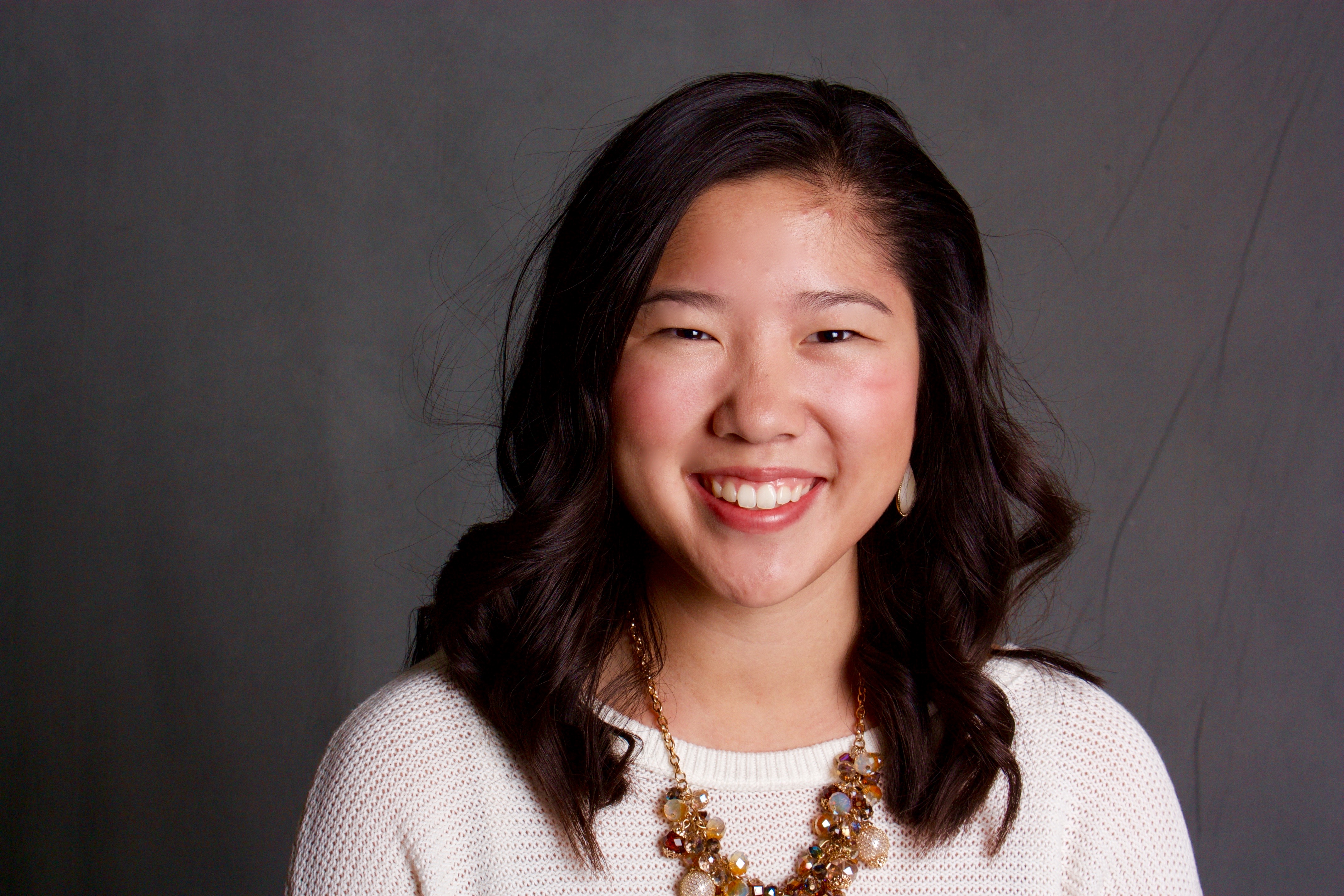
Graduate student focuses on reservations, natural resources

On a Wednesday, which is Veterans Day and a welcome day off for most students, Nicky Ouellet is reporting on the Flathead Indian Reservation for a story about the Kerr Hydroelectric Dam, now renamed the Se̓liš Ksanka Qĺispe̓ Project and managed by Energy Keepers, a tribally owned corporation of the Confederated Salish and Kootenai Tribes.
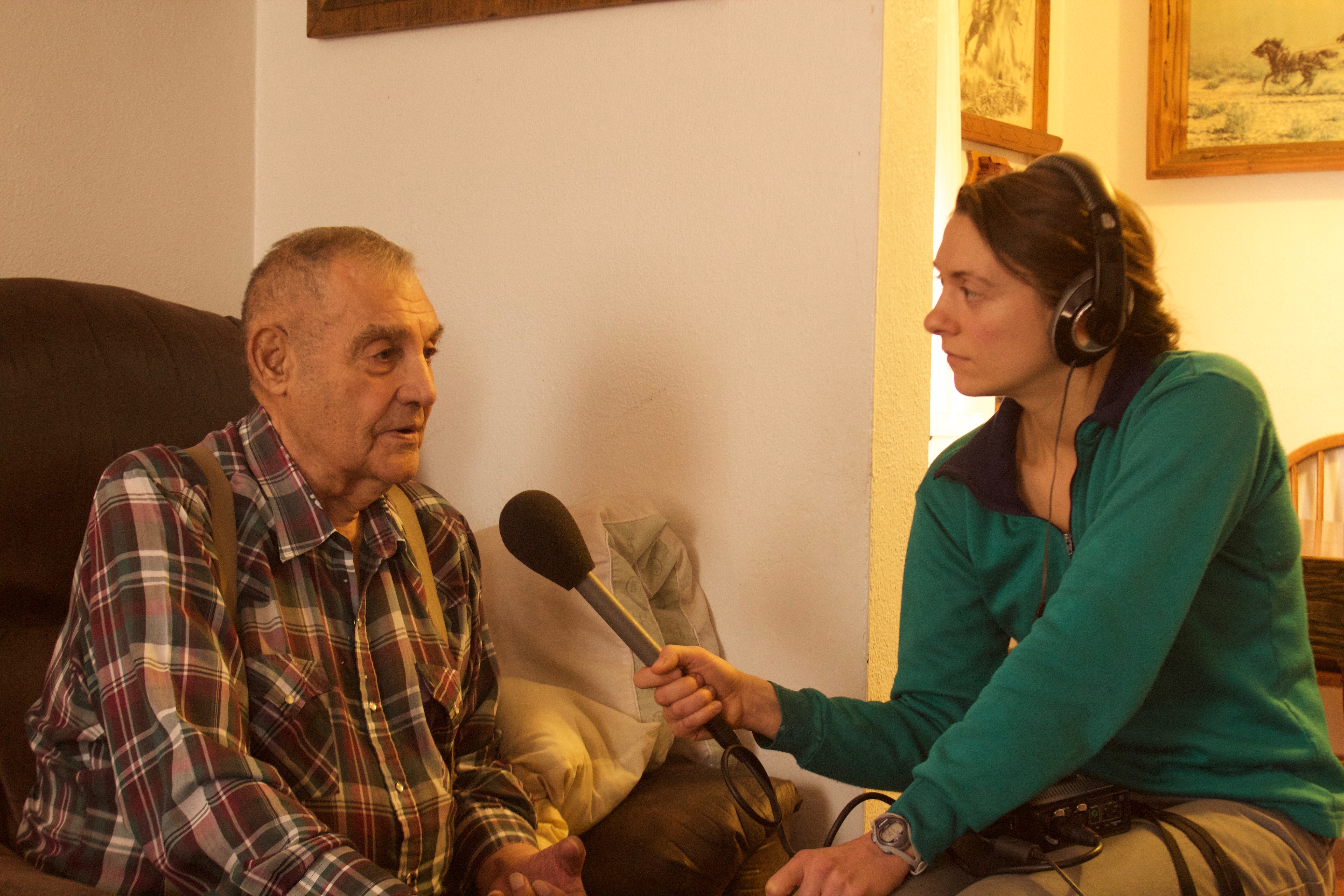
Graduate student Nicky Ouellet interviews Sonny Morigeau, a former tribal council member of the Confederated Salish and Kootenai Tribes.
Graduate student Nicky Ouellet interviews Sonny Morigeau, a former tribal council member of the Confederated Salish and Kootenai Tribes. Photo by Andrew Graham.

Her interview takes place in a house decorated with paintings of Western scenes, in a tiny town called Old Agency on the shores of the Flathead River.

Ouellet is known around the Journalism building as a dogged journalist, but she starts this interview out patiently. Very patiently. Her subject, Sonny Morigeau, is over 80 years old. To reconstruct the process which led to the dam changing hands, Ouellet had to delve into history and interview former tribal council members like Morigeau.

For Ouellet, the structure of government on Indian Reservations, and the modern tensions between Tribes and the Federal Government, is not new territory. From 2010 to 2012 she worked for Teach For America, who assigned her to live on the Pine Ridge Indian Reservation in South Dakota. There she taught creative writing, high school English and Journalism.

Being a part of life on a reservation, and teaching in a school with a high dropout rate helped push her into the Masters Program for Environmental Science and Natural Resource Journalism. Ouellet became conscious of a national dearth of stories from reservations.

Every two weeks Ouellet’s Journalism class filled four pages of the local newspaper. She turned their classroom into a newsroom. “I was teaching myself the whole time too,” she said. When the stories came off the presses, her students were delighted, as was the larger reservation community.

At the University of Montana she has focused much of her own reporting on Native American communities. Leaving teaching was hard for Ouellet, but this kind of reporting feels like another way for her to advocate for her students.

“I wanted to find and tell stories that would shed a light on inequities in our system,” Ouellet said.

Completion of the Masters program involves the choice between producing a single long form story, or creating a portfolio of three shorter projects, each centered around a central them. Ouellet chose the latter, which she said gives her more chances to practice the story making process in its entirety, “from coming up with ideas to following them through to publication.”

This is the first year Masters Candidates will have the choice of a portfolio. “The portfolio option aims to validate the impulse of student who are hungry to explore a broader issue over several semesters, rather than dive deep on a single story, as the professional project does,” said Associate Professor Nadia White, who helps run the Graduate Program.

Ouellet’s first story was about efforts to legalize marijuana on the Northern Cheyenne Indian Reservation in Montana. That piece was a long form written story, which ran in the 2015 Native News Project, a School of Journalism program that sends students out to produce stories from every reservation in Montana.

She is currently working on this story about the dam takeover, and one about the impacts of oil and gas production on the Fort Behold Indian Reservation in North Dakota. This spring she will be finishing up both stories, and again be a part of Native News, this time as an editor.

Back in Old Agency, Ouellet is ready to get what she came for, and begins to gently push her subject towards leading her through the history of the tribal council’s negotiations over the hydroelectric dam. As her questions get more pointed, it’s clear she has done her background work.

“Now, Energy Keepers manages the power and sells the power on behalf of the tribes,” she reminds Morigeau when he gets a little off track. Exploring how Native American tribes manage their natural resources is the theme of her portfolio.

Recalling her time teaching Journalism in Pine Ridge, Ouellet said “they were finding their voices to tell their stories. I found it really empowering for them.”
Three years later, it would appear that she has found hers as well.

By Andrew Graham
Creative Inspiration for Thanksgiving Break

Pollner Professor Kevin Van Valkenburg sent his students off on Thanksgiving break with a hard deadline for a reported long form story on the first Monday back, but also with a piece of inspirational reading to help them cross the finish line.

Van Valkenburg, a staff writer for ESPN the magazine, has been showing his students the glories and pit falls of long form writing and deep reporting. His class has read several stories by Esquire writer and National Magazine Award-winner Chris Jones. For Thanksgiving break, Van Valkenburg sent his students Jones’ speech on his “Nine Rules for Creative Work.”

It’s application to journalism students struck me as wide enough, and its content compelling enough, to be worth sharing here. As students, it can often feel that classes outside of Journalism, along with the other pressures of University life, can get in the way of finding the time to do the excellent journalism we all aspire to.

Read Chris Jones’ speech: http://niemanstoryboard.org/stories/chris-jones-nine-rules-for-creative-work/

This speech, which Jones gave at the Power of Storytelling international conference in Bucharest this past October, reinvigorated me at this difficult point in the semester, with deadlines and due dates piling up. He speaks on the value of hard work to any creative enterprise, including the craft of journalism.

Hopefully some readers of this blog will also find time to take in Jones’ advice over the next few days. And hopefully Professor Van Valkenburg will forgive me for sharing the secrets of his class with the greater online community.

If you have time for some longer reads, look for his work in Esquire’s archive. In Van Valkenburg’s class we read the incredulously well reported: “The Things That Carried Him”

By Andrew Graham

Journalism student looks forward to networking in NYC

For Sojin Josephson, a 21 year old senior broadcast and print major from Big Timber, population roughly 1,600, New York City has always been something of a fascination. She’s visited before with her mother, she said, and is always fascinated by the city’s energy. December 2nd, she’ll return to New York, this time alone and to attend a two day workshop hosted by the International Radio and Television Society.

Pictured above: Sojin Josephson.

“I’ve really wanted a good opportunity to go to a place I love,” Josephson said, noting that she’s looking forward to a chance to spend some time alone in a city that interests her.

Called the Multicultural Career Workshop, the two days include seminars in digital media, creative production, advertising, research, sales and marketing. There will be panels of media professionals taking questions, and then a full day career fair where Josephson will have the chance to make contacts with major media companies.

Josephson said she applied on a bit of a whim, after Ray Ekness, Professor & Director of Student Success, suggested that she take a shot at the workshop. As a sports reporter for the student newspaper the Montana Kaimin, and a reporter, anchor and producer with UM News, a weekly news segment staffed by senior broadcast students, Josephson has been taking advantage of the opportunities for hands on production by students at the School of Journalism.

While her multifaceted abilities are an asset in today’s job market for journalists, Josephson said she struggles between the two career tracks as she finds both rewarding. For the spring semester, she hopes to do a broadcast internship around Missoula, and get a taste for how that feels.

For now, she’s looking forward to the chance to make some contacts in New York, hand out her resume and immerse herself once more in the energy of the Big Apple.

You can read a remarkable profile by Josephson that recently ran in the Montana Kaimin here.

By Andrew Graham