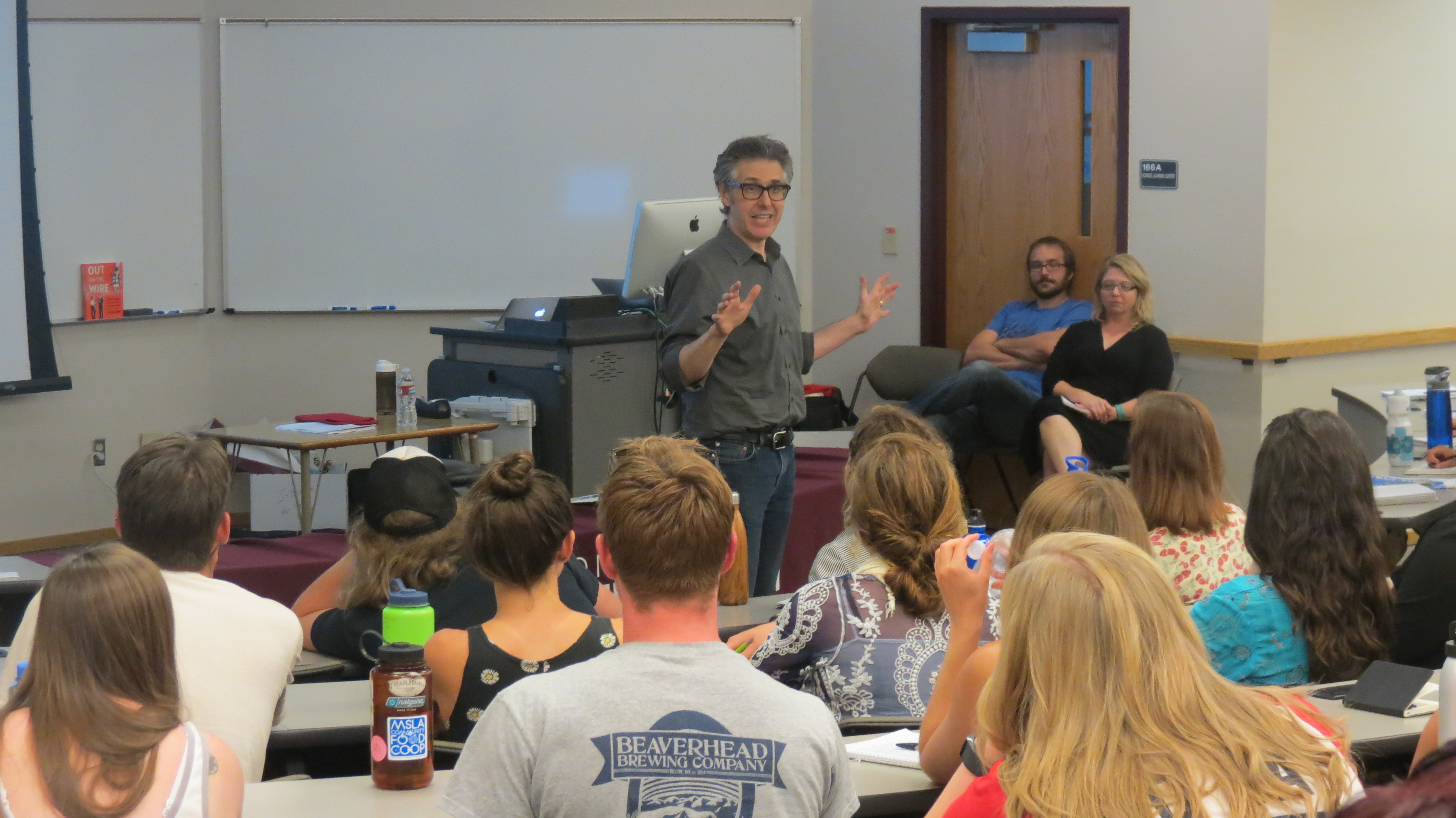
Eli Saslow returns to J-School

Students in the Pollner Seminar, along with faculty and other students, were treated to a visit from Pullitzer prize winning journalist Eli Saslow.

Monday, September 21st, For an hour and a half Saslow, who taught at the Journalism School as the T. Anthony Pollner Distinguished Professor in 2010, spoke on reporting and structuring long form narrative stories.
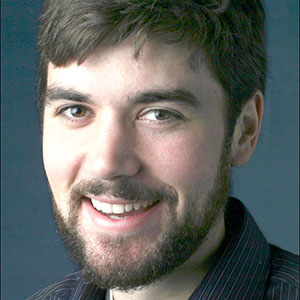
Photo of Eli Saslow
“I think that my best reporting comes when I’m the same version of myself in both places,” said Saslow.

Saslow, who writes for The Washington Post and ESPN the Magazine, described his work as an attempt to humanize the national issues of the day by telling the stories of people at their center. His stories have connected his readers with people for whom complex issues such as food insecurity or deportation are hard realities. To prepare for his visit, students in Kevin Van Valkenberg’s Pollner Seminar read Saslow’s article “After Newtown shooting, mourning parents enter into the lonely quiet,” in which he profiled the Bardens, a family who lost a son in the Sandy Hook Elementary School shootings.

To capture the powerful emotions in the story, Saslow spent two weeks with the Bardens. Dedicated that kind of time to the subjects of his story is something he said is central to his reporting. Saslow repeatedly emphasized the importance of making subjects feel comfortable with a reporters presence, even during interviews. “Ask a question five minutes into the conversation, then ask the same question 50 minutes in and you get very different answers,” Saslow said.

Many of the students’ questions dealt with the emotional toils of Saslow’s reporting, along with the ethical questions he faces spending time with people in difficult situations. Saslow emphasized for students the importance of finding stories you can care about as a journalist, and of keeping an eye on the big picture and the impact well reported stories can carry. He also described the value in being as observant, and as much as possible unobtrusive, reporter.

“I’ve interviewed Obama in the oval office and I’ve interviewed other people who have never talked to a reporter,” Saslow said, “I think that my best reporting comes when I’m the same version of myself in both places.”

By Andrew Graham

Senior ESPN Writer comes home

Each semester, the T. Anthony Pollner Distinguished Professorship endowment brings exceptional talent from the working world of journalism to teach a seminar class. This fall semester, ESPN the magazine and ESPN.com Senior Writer Kevin Van Valkenburg is carrying on the tradition; except that he is the first Pollner professor to be returning home, and the first to have known the endowment’s namesake.

Photo of Kevin Van Valkenburg
Kevin Van Valkenburg is a 2000 graduate of the UM School of Journalism.

The program began in 2001, when Anthony Pollner, a graduate and former staff member on the Montana Kaimin, died in a motorcycle accident. Van Valkenburg and Pollner were friends and co-workers at the Kaimin during their shared time at the University.

“Anthony was someone who inspired a lot of us,” Van Valkenburg said.

In addition to being back at the University, town and state that he calls home, Van Valkenburg is excited to pass along his enthusiasm for story telling in all its forms, and inspire the kind of ambitious work he knew Anthony loved.

Professor Henriette Lowisch, who first came to the University as a Pollner Professor, sees Van Valkenburg as a natural continuation to a great tradition. “The idea of the Pollner professorship is to inject the reality of the industry into the J-school,” she said.

Van Valkenburg’s experience with a wide variety of media – radio, website and magazine writing, makes him a real asset to students. “That’s such a unique experience he brings,” she said.

Students in Van Valkenburg’s class are learning the nuances of writing great non-fiction and embracing the challenge inherent in a Pollner Seminar. “Sometimes, from really awful things, can come wonderful things,” said Van Valkenburg.

By Andrew Graham

Just do it.

Ira Glass speaks to students and professors from the UM J-School

Radio demigod Ira Glass came to Missoula last week to entertain the public radio faithful, and to speak to J School students. Of the many lessons he imparted, one stuck with me: don’t wait, he said, before starting to create the journalism you have in your head. This is good advice for many reasons.

Ira confessed it took him decades to get good at radio. He stressed that the only way to get good at journalism is to do it. If you could buy journalism training at the drug store, the directions would read: write, edit, repeat. Learning about the history of journalism is a noble pursuit, so is trying to analyze trends in coverage. But the only way to become a great writer is to write. Great photogs need to shoot, radio folks need to gather sound, and of course we all need to post and tweet.

Part of Ira’s point is that there’s no need to wait until some employer gives you permission to do a story. Reporters—and students—today can develop their own news products, and can publish without a big backer. The podcast explosion has opened up new possibilities for many creative minds, and has turned out to be a great source of revenue for Ira’s show, This American Life. The barriers to entry are dropping. Your audience will be small at first, but you will be learning, and you may come up with something that will impress a prospective employer. So why are you wasting time with this blog? Go start your own.

By Larry Abramson