

Graduates of the University of Montana School of Journalism go on to do great things, in journalism and beyond. They direct newsrooms, report on international issues, photograph history, inform the public on air, start their own businesses, influence public policy, publish books and become leaders in their communities. Here, we spotlight some of our alumni who showcase just how powerful, and versatile, a journalism degree from UM can be.
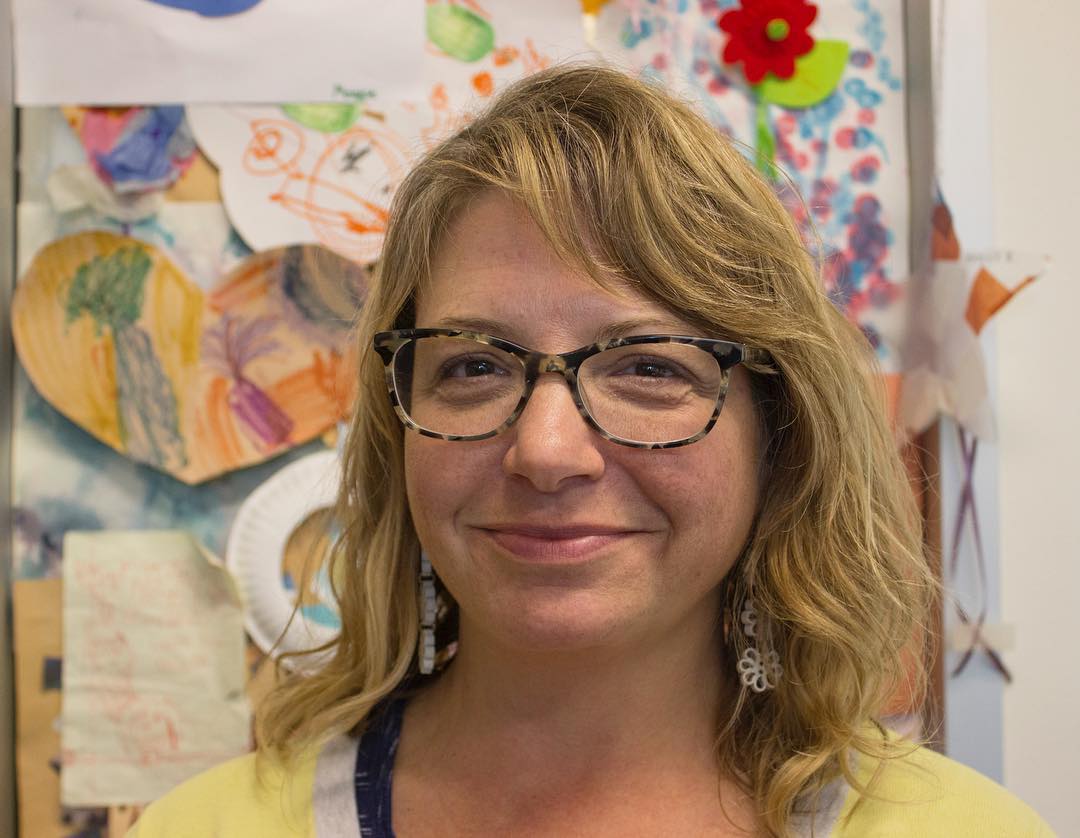
This installment spotlights Olivia Vanni, who interned at the The Victoria Advocate in Texas after graduation in 2017 and now works at the Naples Daily News in Florida. (This Q&A was done during her time at the Victoria Advocate.)
See some of her recent work below:
Question: Can you describe an average day on the job and your current responsibilities?
Answer: I normally have three to five daily assignments ranging from sports games to local profiles to event coverage. I’m also responsible for producing one photo story/photo essay a month for our Your Life section in the Sunday paper. I photograph, write and produce a short video for that.

What journalistic experiences at the J-School were notable in preparing you for your transition into a real-world journalism environment?
I think requiring all of the students to complete an internship before graduating is incredibly important. Without having had prior experience in a newsroom I would not have been competitive when applying to other internships or jobs. Also being able to go to Standing Rock and report on a national news story helped a lot. I think the best way for students to be able to transition into a real-world journalism environment is to actually get them out into the real world, which the J-School does.
Can you explain the process of your job search senior year?
I honestly applied to about every internship that I could. I think I sent out over 30 applications and ended up only getting two interviews and one job offer. It was tough getting so many rejections or no response back but all it takes is for one person to say yes and you’ve got a job.
How do you feel about journalism now that you’re out of school and immersed in the industry? How does reality compare to your hopes and expectations?
In college I didn’t quite understand how tough a career it is to pursue and how incredibly competitive it is but I still love it. Some days I feel like a chicken with my head cut off running from assignment to assignment but I get to tell people’s stories every day which is exactly what I want to be doing.
What are your favorite and least favorite parts of your job?
My favorite part of my job is being able to go out and meet new people everyday. I’m always fascinated by how many different stories are out there and am humbled that people allow me into their lives to tell them.
How does the work load compare to college?
It is so nice to not have to juggle schoolwork on top of assignments. It’s so much easier to take the time to pursue stories you want to tell and not have to worry about a test or getting homework done.
What advice would you give to someone considering a journalism degree?
Make sure it is a career you actually want to pursue. Take some of the beginning courses to figure out if you like it. As a career, it doesn’t pay well and it’s a lot of hard work but it’s all worth it if it’s something that you love to do.
Did you feel that your education prepared you for your job? In hindsight, is there anything you would’ve liked to focus on more than you did?
I think it did. I received a solid base of skills from my education that I was able to build off of once I transitioned into the real world. This applies more to photojournalism but I wish that there had been an entire class in the J-School that focused on how to tell multiple in-depth photo stories/essays from start to finish. That is one skill that I’ve had to develop on my own through my internships that I wish I could have learned in school early on. It’s also where I was lacking most in my portfolio when I graduated.
Where do you see yourself career-wise in the future?
Ideally I’d like to land a staff photographer job at a daily newspaper that is west of the Rockies or in the Pacific Northwest. That’s the career goal for at least the next few years.
Is there anything else you’d like to add?
Work at your student paper! It made me realize photojournalism at a daily paper is what I wanted to do. Whether you end up loving it or hating it, it can help you figure out what avenue of journalism you want to pursue. Plus, it’s not a bad thing to have on your resume.
Tate Samata is finishing her fifth and final year at the UM School of Journalism, and will graduate this spring with a Bachelor of Arts in journalism and psychology minor. Tate’s journalistic focus is primarily photo and multimedia, but she is also passionate about writing, copy editing and social media.
 Montana Journalism