Faculty Q&A: Professor Jule Banville on Her New, Big Podcast, The ‘Happy/Crappy’ of Sabbatical and How To Keep up the Excitement in Journalism

By Kathleen Shannon

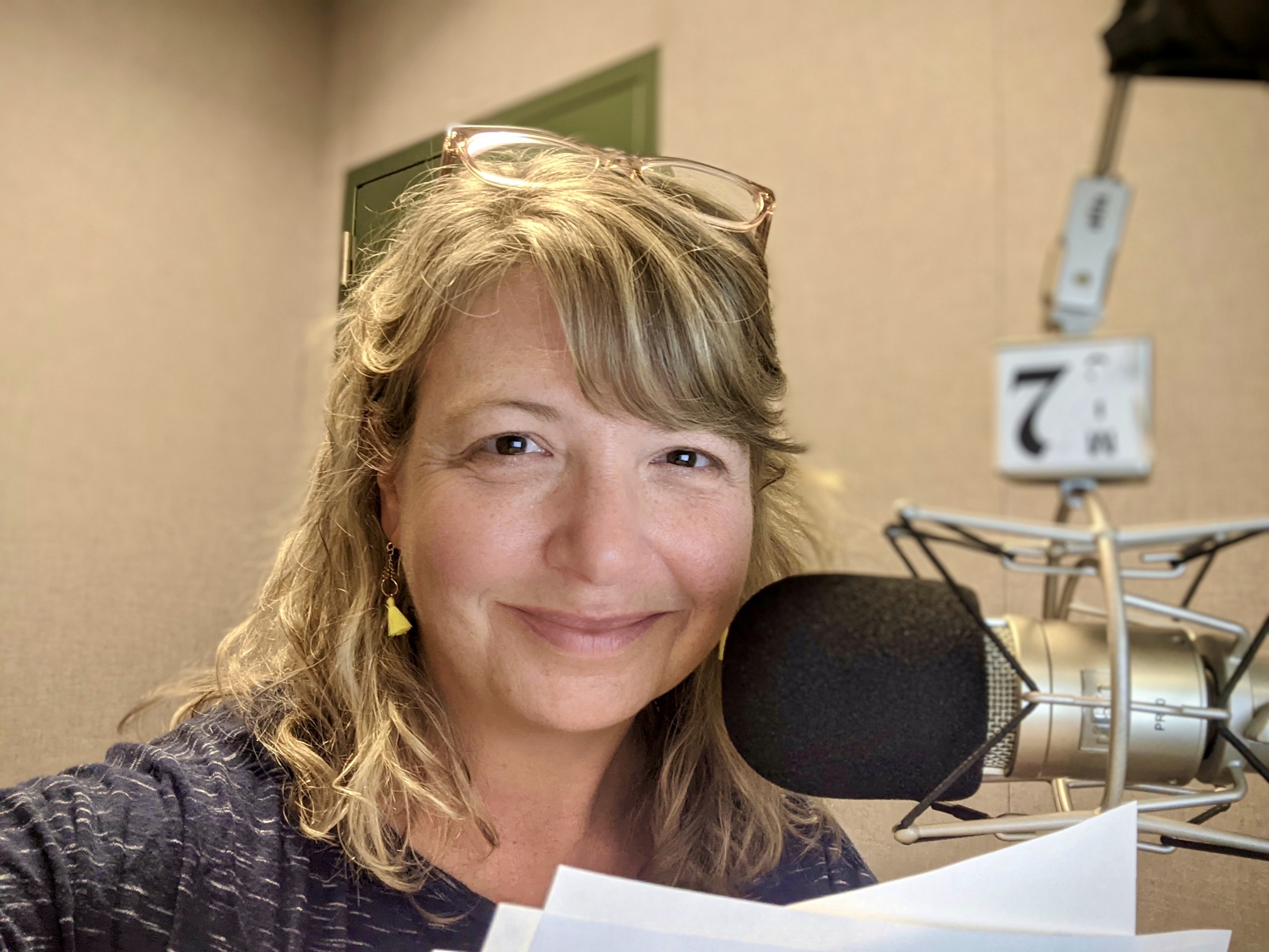
Jule in the studio. Courtesy photo.

J-School professor Jule Banville is back from a year on sabbatical, which she spent working on a podcast, due to launch in late October. Jule has done loads of audio in her career, but this show is more serious in nature than some of her other projects and podcasts: it’s a crime investigation. Jule sat down with graduate student Kathleen Shannon recently and below is a transcript of their full conversation, edited ever so slightly.  Read all the way to the end to get Jule’s crucial advice for podcasters and makers and creatives in general.

_________________________ 

Q: Tell me about being on sabbatical. 

A: You know, I set my pace reporting this project. I set my schedule. I did a lot of life-affirming reporting trips, [in] which I did discover that … if you’re really feeling lost or down about this profession, what you need is to get in your car and go talk to people. Go talk to people where they live. So, I was lucky and I was unlucky, in a way, because this pandemic happened during my sabbatical. I feel like a lot of smart university professors had plans to go to Europe or go somewhere tropical or somewhere fabulous. And my plan was to stay in Montana. And so, I adjusted and I decided to keep my sabbatical, even though most people obviously didn’t because they couldn’t travel. So, every trip I took was in my car. I saw a lot of Montana.  

The crime in my story happened in Billings. My main source is a woman in her 40s. She was raped when she was eight. She lives in Livingston, which is an amazing place to visit. If you’ve never been to Livingston, it’s the best. I got to spend a good amount of time in Livingston, and then another major source lives in Kalispell, so then I was up in the Flathead. And, I did quite a bit of reporting in White Sulphur Springs. I went to Portland, Oregon, too. It was really important for me to get in-person tape. So even though it was during the pandemic, you know, I wore a mask, I had a boom a pole. Some of my subjects were masked, and some of them were not. And I came through without getting COVID, so far. So, it was a challenge. It was a reporting challenge. But I chose not to do Zoom. I did some Zoom tape. But I mostly went and did and reported and I’m just so grateful for that time.  

It doesn’t always work out the way that you plan, especially when you’re pitching a huge narrative. And it took me a long time to sell the story. It’s a hard story. It’s not one that everybody wants to buy. I had a lot of meetings. I would get pretty far with different companies in the podcast industry. I would get to the point of like, ‘send me your budget’ and ‘yes, that looks good.’ And then it would still: ‘poof,’ go up in smoke. It was a huge process. I wasn’t super prepared for that part of it. I didn’t have a contract until late July. 

Q: Which company picked it up?  

It’s a subsidiary of a big reality TV company in Austin. The big company is Megalomedia, Inc. They have a podcast subsidiary that’s pretty small and easy to work with and they’ve been awesome. That’s called Mopac Audio, which is named after a highway in Texas. They’ve released several podcasts and one of them caught my attention. It was about the Long Island serial killer case. And, the victims were sex workers. The way that they did that podcast — I admired how fully developed those victims were. I got to know a lot about them, about their families, about the people who became their families when they went through hard things. So, I reached out to them because I liked their approach. And they’ve been really great. It’s a hard story. Not everybody wants to hear this story and they’ve championed it and they’re going to distribute it. They are working with me to produce it and mix it. They’ll sell the ads, they’ll distribute it on all the platforms. And, they’re paying me, which is nice. 

Q: Yay! So, I’ve heard about the character. What is the premise of the podcast? What are you exploring? 

A: It’s called “An Absurd Result.” Part of that is signaling to the listener, that this is not a podcast where you get to the end and you wonder “who did it?” It’s done. It’s over. We know who did things. So, it’s really a story that this survivor is willing to tell and wants to tell, after a long time of not talking about it. When I met her in 2015, she had never talked to a journalist. I met her through a friend of her sister. And Linda, who is my source, she was ready. She was kind of mad at that point. She was pissed, because they hadn’t charged someone who had been identified by DNA as her rapist. So, there was this limbo period before those charges were filed. She and I met then and we talked on tape for three hours that day. A lot of that is in my podcast, actually, so I was glad I recorded it. But, she really needed a quicker turnaround story. So, at that point, I put her in touch with newspaper reporters who did stories in Billings. She needed pressure on the prosecutors in Billings and she needed more people in Montana to know her story. Then I just kept up with her [through] these years, and I didn’t get a chance to take a sabbatical before I did. Then when I [came up with the idea for the podcast], I first got in touch with her. And I said, ‘if you want to do this, then I’m going to apply for sabbatical. And if you don’t want to do this, then I’m not going to pursue it. Because, I really need you. And … only if it’s something that’s positive for you. I’m not interested in re-traumatizing you or doing a story you’re not into.’ Unfortunately, with the way that things have gone for her, she said, ‘this is the first truly positive thing that’s ever happened in my case.’ So, she’s all in. Yeah, she’s amazing.  

Q: I know you’ve done other podcasts in the past. What did you learn that was new or different from this particular experience? 
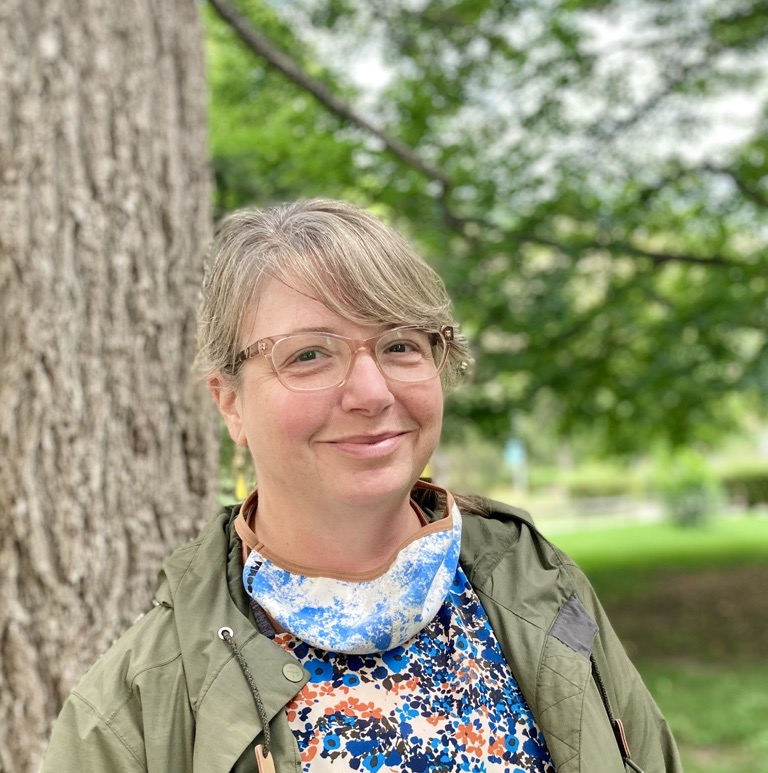
Jule portrait by Kathleen
Jule on campus. Photo by Kathleen Shannon.

A: Well, a lot of what I have done in my career as far as radio, even when I was at WNYC, the stories that I was drawn to and the stories that I did there were quirky and fun. I was on the staff of a show called The Next Big Thing. It was a weird show where there were a lot of kinds of stories. A lot of different kinds of radio were welcomed on that show. I was the quirky correspondent. I did funny stories. This isn’t that. This was a really serious story. There was some investigation involved. There was definitely some calling people and knocking on doors and people who didn’t want to talk to me. So, I learned a lot. I learned that I can do it. You know, I teach reporting, I teach narrative, I teach audio, I teach all these things. And, I know that I can edit all these things, but this was a huge reporting challenge. And, I loved it. I love being a reporter. It’s actually really great. 

Q: So you’re reporting on a really serious incident. Were there moments where you were feeling down where you kind of had to lift yourself back up? What was the balance between the joys of traveling out on the road and the seriousness of this story? 

A: I would say that I never felt weighed down by the story. I always felt buoyed by it because I know that Linda wants to tell it. I know that Linda’s story is important. I know that it’s about her. So it’s heavy in the way that I better do a good job because she trusted me with this story. She was eight. You know, she was in her bed asleep. And this man broke into her house and did this to her. And now she just feels really ready and I’m just so grateful. For me, it’s [energizing], to be honest, because I get to be the one to tell her story this way. And it’s [a privilege]. It doesn’t bother me that it’s about something so hard. I definitely understand that from other people. When I was trying to sell it, that was tough. People are like, “don’t use that tape of her explicitly talking about the rape.” And I’m like, “but that’s how she talks about it. That’s what she says.” So that’s important for that, too. It’s a hard story, but I think what’s great about it is her. She’s awesome. And I never forgot who it was about.  

Q: I’m sure you and Linda spent a ton of time together.  

A: We did. And I hope we still do. But, yeah, she’s my source. It’s hard to have that separation when what happened to her was horrendous. And it’s not just the act itself, [it’s also] what happened with the law, which is a lot about what my story is about. You know, that’ll make you mad.   

Q: I assume you’re diving into a lot of legal documents and court proceedings in the podcast. How did that go for you?  

A: I was a cop reporter in a previous life, so some of that was kind of familiar. And one thing that I learned early as a cop reporter that was a benefit to me was you have to be nice to the people who actually control the information. So that’s clerks. When I was a cop reporter, it was dispatchers because they’re the ones who knew everything because they answer the 911 calls. You’ve got to go out of your way and not be fake at all because they can pick up on that. There’s a lot of people trying to butter them up. But yeah, I learned how to be nice to court clerks. That’s clutch. They are clutch people. I got lucky, too, because the defense lawyer in this case, who defended the guy who was charged with sexual assault without consent, there was a moment in his office, where there’s like ten boxes and he’s like, “yeah, you can look through these.” And several things that were really important to my story ended up being in there.  

Q: So now we’re going to play this game called “happy crappy” where you tell me one really great thing about sabbatical one bad thing about sabbatical. 

A: I love happy crappy. Yeah, we’re going to do that at my dinner table tonight. 

We moved our desks [at home] around during the pandemic, like everybody does. And so my desk moved into my bedroom. And, that happened to me once before when I was a freelancer and it was not a happy. It was crappy. Because, I didn’t have a focused project and so the desk was a little bit too close to my bed. [And now] I sort of wistfully look at the time I sat my ass down and I wrote a seven-episode narrative. I just did it! In a pretty short period of time. I just sat my ass down and wrote the story. And even though it was really hard, I did that. And I didn’t know that I could really do it. But I can, as it turns out. 

Yeah, crappy. I thought I was going to hike every day. I often go up the Sentinel fire road. And I was like, “oh, man, when I’m on sabbatical, I’m going to be on that thing every day.” I was so busy. I was working all the time. If I wasn’t planning a reporting trip, I was trying to get documents, I was trying to line up interviews, I was trying to sell the thing. That took forever. You know, it was lots of pressure. It was a lot of anxiety about having the story land somewhere because I was so tied to it and Linda, too. So, I didn’t hike. That’s crappy. I went for walks in my neighborhood and listened to other podcasts, which made me also more anxious. 

Q: What would you say to a student who has a podcast idea he/she is really excited about?  

A: I think on one level, make it. Just make things. That’s how you’re going to maintain your excitement about something and that’s how you’re going to learn. The other sort of prong of that is: listen. Listen to things that are like the things that you want to make. And you can’t listen as a consumer, right? You have to listen as a maker. You have to listen as a journalist to understand the decisions that this producer made, or this host made, or who are the multitudes of people who are making this thing? It takes a lot to pull off these kinds of projects. And it’s not impossible. I did most of it myself, but I’ve also been doing this for 20-odd years. I think that there’s a lot you can learn by making but I think there’s maybe even more you can learn by listening. 
 

University of Montana School of Journalism Honors State’s Top High School Journalists

More than 60 students and teams at 19 high schools across the state, from Libby to Malta, from Florence to Jordan, have earned top honors from the University of Montana School of Journalism for writing and reporting, photography, videography, graphic design and online storytelling.

The School of Journalism announced the winners of the annual Montana High School Journalism Awards June 9, celebrating the state’s top high school journalists for their outstanding coverage this year of topics ranging from new lunchrooms to the pandemic response.

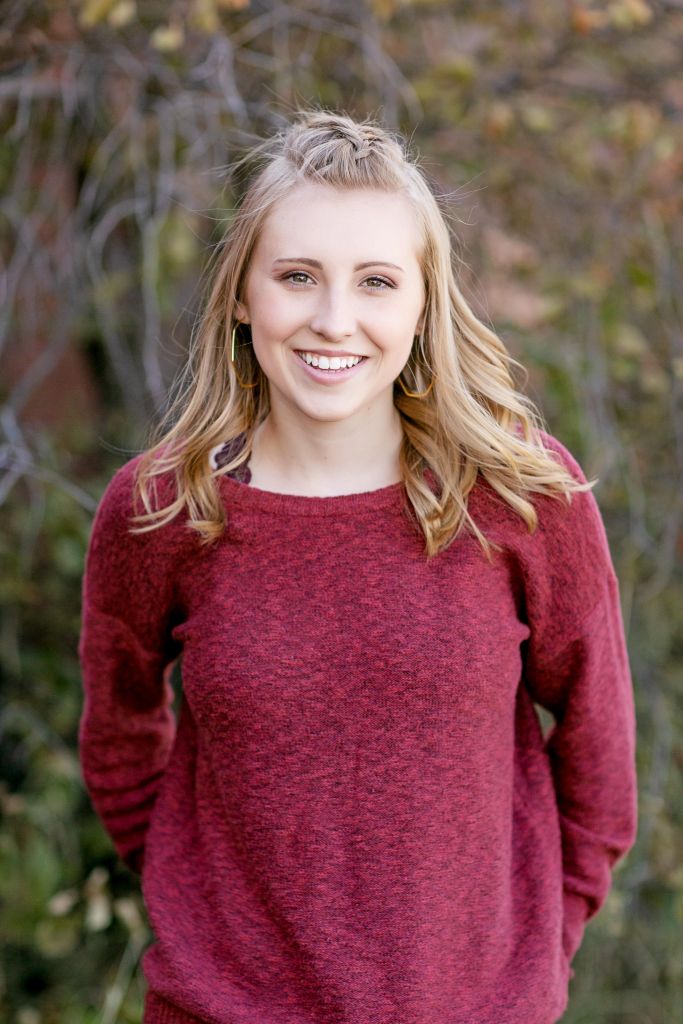
Grace Carr. Courtesy photo.

The Montana Journalism Education Association also named Grace Carr of Great Falls as this year’s High School Journalist of the Year. Grace is a graduate of C.M. Russell High School and will be starting at the University of Montana School of Journalism in the fall.

Grace was a part of the journalism program at CMR all four years and worked as the editor-in-chief of the school newspaper, the Stampede, her junior and senior years. She says one of the highlights of her high school journalism career was reporting on teen pregnancy in Great Falls. In addition to her work in Beth Britton’s journalism program at CMR, Carr also wrote for the Great Falls Tribune as part of the paper’s teen panel.

“I have always enjoyed writing and it gives me the opportunity to effectively share well-researched information with the community,” Grace writes. “I’ve always been a quiet person and enjoy listening to others’ stories so journalism gives me the ability to share these amazing and differing perspectives with others.”

Carr says she is eager to try new ways of telling stories at the J-School and is looking forward to meeting new people and collaborating with other journalists and storytellers.

In the Montana High School Journalism Awards, Carr won second place for both news writing and infographic design and a third-place award for opinion writing.

In the general excellence categories, the staff at the Sun Journal at Big Sky High School in Missoula won the “Newspaper Pacesetter” award for class AA schools and the staff of the Signal Butte at Custer County District High School won in the class A competition. Bigfork High School’s Norse Code won in class B and The Mustang Monthly at Ennis High School won in class C.

In the “Broadcast Pacesetter” category, C.M. Russell High School’s Quinn Soltesz at the Stampede won among class AA schools and the staff at The Norse Code from Bigfork High School won in class B.

The Hellgate Lance at Hellgate High School in Missoula won the AA contest in the “Online Pacesetter” category and The Norse Code at Bigfork High School won among class B schools.

See more first-place winners here:

See the full list of winners here:

Class Category Rank Newspaper/Program School Individual Winner (If applicable)
B Advertising Design First The Florence Chronicle Florence-Carlton High School Josie Miller
A Advertising Design First Signal Butte Custer County District High School Signal Butte Staff
AA Advertising Design First The Stampede C.M. Russell High School Quinn Sotlesz
B Audio First The Mustang Gazette Malta High School Bonnie Jones
AA Audio First The Stampede C.M. Russell High School Quinn Soltesz
AA Broadcast Pacesetter First The Stampede C.M. Russell High School Quinn Soltesz
B Broadcast Pacesetter First The Norse Code Bigfork High School Norse Code Staff
B Editorial Cartooning First The Norse Code Bigfork High School Josephine Howlett
AA Editorial Cartooning First Hawk Talk Bozeman High School Andy Tallman
B Feature Photography First Florence Chronicle Florence-Carlton High School Olivia Berard
A Feature Photography First Signal Butte Custer County District High School Claire Kuchynka
AA Feature Photography First The Stampede CM Russell High School Nancy Beston
C Feature Writing First The Mustang Monthly Ennis High School McKenzie Taylor-Casey
A Feature Writing First Signal Butte Custer County District High School Allie Wagner
AA Feature Writing First Hawk Tawk Bozeman High School Lily Smith
B Feature Writing First The Norse Code Bigfork High School Josephine Howlett
A Infographic First Signal Butte Custer County District High School Lindon Starck
AA Infographic First Hawk Tawk Bozeman High School Macy Duncan
B Infographic First The Norse Code Bigfork High School Josephine Howlett
B News Photography First Florence Chronicle Florence-Carlton High School Nick Sanchez
A News Photography First Signal Butte Custer County District High School
AA News Photography First The Stampede CM Russell High School Nancy Beston
C News Writing First The Mustang Monthly Ennis High School Drake Blair
A News Writing First Signal Butte Custer County District High School Kaden Kuchynka
AA News Writing First Hawk Talk Bozeman High School Brooke Bothner
B News Writing First The Norse Code Bigfork High School Ashley Miller
AA Newspaper Design First The Sun Journal Big Sky High School Sun Journal Staff
A Newspaper Design First Signal Butte Custer County District High School Signal Butte Staff
B Newspaper Design First The Norse Code Bigfork High School Norse Code Staff
A Newspaper Pacesetter First Signal Butte Custer County District High School Signal Butte Staff
C Newspaper Pacesetter First The Mustang Monthly Ennis Mustang Monthly Staff
B Newspaper Pacesetter First The Norse Code Bigfork High School Norse Code Staff
AA Newspaper Pacesetter First The Sun Journal Big Sky High School Sun Journal Staff
AA Online Pacesetter First Hellgate Lance Hellgate High School Hellgate Lance Staff
B Online Pacesetter First The Norse Code Bigfork High School Norse Code Staff
AA Opinion Writing First The Sun Journal Big Sky High School Gus Dinsmore
C Opinion Writing First Reed Point Review Reed Point High School Cole Bare
A Opinion Writing First Libby Logger Libby High School Suvari Neff
B Opinion Writing First The Florence Chronicle Florence-Carlton High School Josie Miller
AA Photo Illustration First Hawk Tawk Bozeman High School Andy Tallman, Kelly Coyne, Macy Duncan, and Braelyn Hamilton
B Photo Illustration First The Norse Code Bigfork High School Scout Nadeau
A Sports Event Writing First Libby Logger Libby High School Syd Gier & McKenzie Proffitt
C Sports Event Writing First The Mustang Monthly Ennis High School Avery Oliver
AA Sports Event Writing First Hawk Tawk Bozeman High School Adele Gammill
B Sports Event Writing First The Norse Code Bigfork High School Addison Reichner
A Sports Feature Writing First Libby Logger Libby High School Bethany Thomas
C Sports Feature Writing First The Mustang Monthly Ennis High School Avery Oliver
AA Sports Feature Writing First Hawk Tawk Bozeman High School Jonas Cawley
A Sports Photography First Signal Butte Custer Country District High School Kaden Kuchynka
B Sports Photography First The Norse Code Bigfork High School Elizabeth Hyde
AA Sports Photography First The Sun Journal Big Sky High School Maddie Crandall
B Video: Arts & Entertainment First The Norse Code Bigfork High School Scout Nadeau
B Video: General Assignment News First The Norse Code Bigfork High School Maya Hartig
B Video: PSA First The Norse Code Bigfork High School Addison Reichner
B Video: Sports First The Norse Code Bigfork High School Ryder Nollan

University of Montana Journalism Students Earn Top National Awards (Again!)

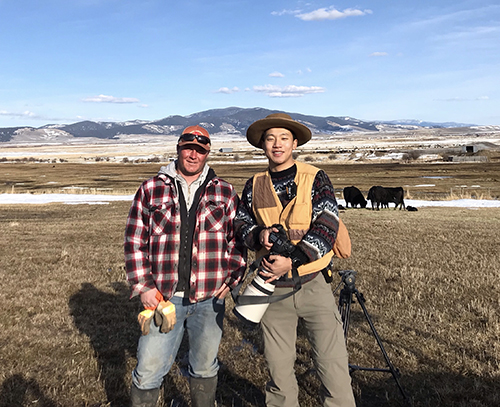
Jiakai (JK) Lou, right, in Helmville, Montana, last winter with Tyrel James Bignell. Courtesy photo.

Once again, University of Montana School of Journalism students showed the country what they can do, winning top prizes in regional and national competitions, including in the national Hearst Journalism Awards Program.

The Hearst Awards, sometimes called the college Pulitzer Prizes, include five writing, one radio, two TV and four multimedia competitions. Students at 104 accredited universities are eligible to compete.

This year, in the 60th annual awards, UM J-School students placed in the top 10 in four categories and in the top 20 in four more competitions.

Overall, the University of Montana is in 4th place for the Intercollegiate Multimedia Competition, which accumulates points from student placements.

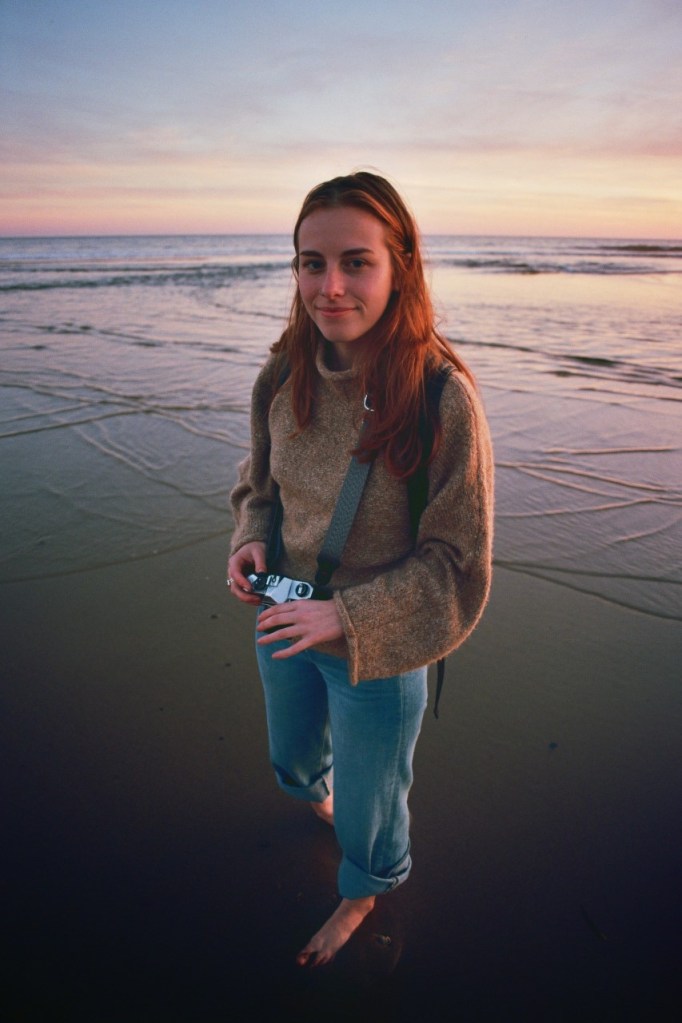
Mollie Lemm. Courtesy photo.

Recent graduate JiaKai Lou placed first in multimedia narrative competition for his documentary, “32 Below,” which looks at the hard work and passion of one ranching family as they tend their cows and calves during last year’s frigid winter in Helmville, Montana. The film was also chosen to show at the Big Sky Documentary Film Festival.

Another new graduate, Mollie Lemm, placed in 8th place in Multimedia II, Innovative Storytelling and Audience Engagement Competition and Quinn Corcoran placed 16th in Multimedia III – Enterprise Reporting.

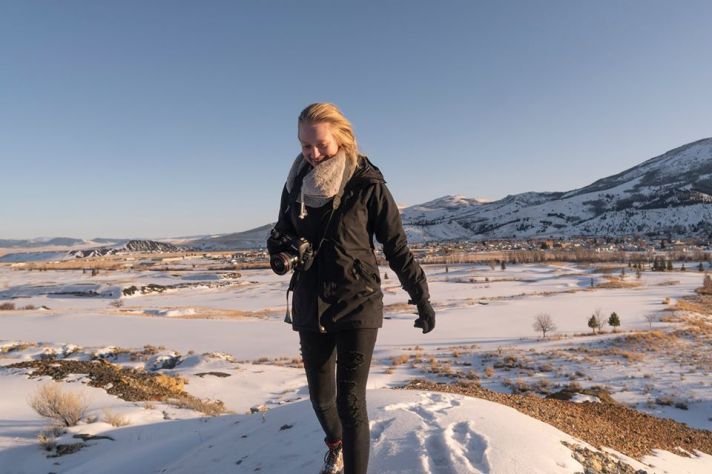
In photojournalism, UM junior Sara Diggins won 2nd Place in Photojournalism I – News and Features for her portfolio, which documented a wide range of emotions, from grief to suspense to surprise to humor. And, Trevor Reid placed 20th in the highly competitive Photo Picture Story Competition, for his series of photos about a young high school cycling phenomenon from Missoula who competed and excelled at the National Cyclocross Championships this year. Diggins also had earlier won the Bronze Medal in the College Photographer of the Year contest in the Sports Feature Photography category.

Sara Diggins. Photo by Mollie Lemm.

UM also grabbed a top-10 Hearst win in Radio News and Features with Aidan Morton in 10th place. Becca Olson also placed in the top 20 of that competition.

In the writing category, recent grad Paul Hamby, now at the Missoulian, placed in the top 20 twice, in enterprise reporting and in personality profile writing.

J-Schoolers also cleaned up in the Society of Professional Journalists’ Mark of Excellence Awards, with 26 regional winners and 11 regional champions, which advanced to the national competition.

UM J-School claimed two national wins, including Sara Diggins, who won for her Montana Kaimin story “Vapergate” in the Photo Illustration competition. Diggins’ photography documenting the climate strike protest in Missoula was named a regional winner.

The 2019 student documentary unit also was named a national winner for their documentary “Trash talk: Montana’s recycling challenge” in the Television In-Depth Reporting category. You can watch it here on Montana PBS.

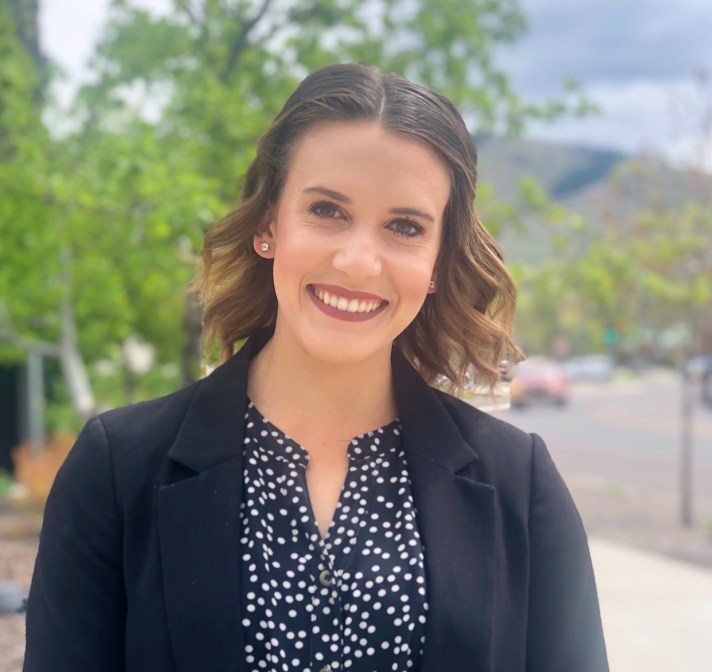
Tessa Nadeau. Courtesy photo.

Recent graduate Tessa Nadeau, now working at ABC-Fox Montana, was a national finalist for her piece “Transgender runner, June Eastwood,” which first appeared on the student-produced UM News program.

The 2019 student documentary unit also was named a national winner for their documentary “Trash talk: Montana’s recycling challenge” in the Television In-Depth Reporting category. You can watch it here on Montana PBS.

Paul Hamby earned a regional champion spot in Feature Writing for his piece in the Missoulian, “Lance Cpl. Thomas Parker: Inmate No. 3023132, Bib No. 4109.” And, Hunter Wiggins won in General News Photography for a Veteran’s Day project

In the Online News Reporting category,  Marnie Craig and Luke Nicholson won for their Native News piece, “Missing” and in Online Feature Reporting, Sara Diggns won for “Darkitecture and disorientation” in the Montana Kaimin. In Online In-Depth Reporting, Eli Imadali and Jordynn Paz won for their piece in Native News, “Left Behind.”

Quinn Corcoran won for “Missoula strikes for the climate” in the Online/Digital News Videography category.

Paul Hamby. Courtesy photo.

In the radio competition, UM student Regina Fitzsimmons, won in radio features for her piece, “Falling in love for three minutes: A woman in transition finds her place on the dance floor.” And, Maxine Speier, won in in-depth radio for “To catch a predator fish.”

Several other regional finalists from UM include:

UM J-School students also earned top honors in the NATAS Student Production Awards at the 57th Annual Northwest Regional Emmy Awards ceremony in June. The awards recognize outstanding achievement in video production. The UM News team won for Best Newscast, Tessa Nadeau won for Best General TV Reporting, and the producers of the “Trash Talk” student documentary won for Best Long-Form Non-Fiction.

Overall, University of Montana students were nominated in four categories:

  • Newscast
    • UM News 2019 • University of Montana • David Atkinson, Reporter/Photographer/Studio Crew • Griffin Rerucha, Producer/Reporter/Anchor • Graham Gardner, Director • Tessa Nadeau, Producer/Reporter/Anchor • Tina Brennan, Reporter/Photographer/Studio Crew • Sydney Hanson, Director • Briane White, Reporter/Photographer/Studio Crew
  • Long Form Non-Fiction
    • Trash Talk: Montana’s Recycling Challenge • University of Montana • Quinn Corcoran, Graphics/Reporter/Photographer • Dominik Stallings, Producer • Galen Koon, Producer/Director • Kiana Hohman, Reporter/Photographer • Jenny Gessaman, Narrator • Justin Jackson, Reporter/Photographer • Keith Szudarski, Reporter/Photographer
  • News: General Assignment-Light
    • ROTC Community Service • University of Montana • Tessa Nadeau, Reporter/Writer/Shooter/Editor
  • Sports
    • Transgender Runner • University of Montana • Tessa Nadeau, Reporter/Writer/Shooter/Editor